Why Cabinet Finishing Is Different From Regular Painting (And Why It Matters for Your Kitchen)
Intro: same “paint,” totally different job
Most people think cabinet work is just “painting,” but good cabinet finishing is a completely different trade with its own tools, products, and process. Homeowners in the Dayton area usually discover this the hard way—after a quick paint job starts chipping, peeling, or showing heavy brush marks within a year.
Prep work: beyond a quick scuff sand
A wall painter can often get away with a light scuff and a coat of paint; cabinets live a much harder life than drywall.
In a true cabinet finishing process, prep is everything:
Thorough degreasing to strip cooking oils, fingerprints, and residue around handles and knobs.
Sanding and deglossing every surface so coatings can bite and stay put.
Caulking and filling (using Bondo) problem areas, then spot-priming repairs so they disappear in the final finish.
If prep is rushed, it doesn’t matter how good the paint is—chips and peeling at high‑touch areas are almost guaranteed.
Grain filling and surface leveling (especially on oak)
Oak, in particular, shows a heavy grain pattern that can look rough and dated once painted if it isn’t addressed the right way.
A finisher treats that grain as a separate step:
Applying grain filler to level out deep pores in the wood.
Sanding between coats to create a flatter, more modern profile.
Checking doors and frames under good light to catch low and high spots before color goes on.
The result is a noticeably smoother, more “factory” look instead of a thick, textured paint job that still screams “old oak cabinets” underneath.
Primers and coatings made for cabinets, not walls
Many budget painters use the same paint they’d put on a bedroom wall or trim, but cabinet surfaces need coatings built for constant handling.
A proper cabinet finishing system typically includes:
Bonding primers designed for slick, previously finished cabinet surfaces.
Cabinet‑grade topcoats that cure hard, resist blocking (doors sticking together), and stand up to regular cleaning.
Carefully chosen sheen (most often a refined satin or low‑sheen) that hides minor imperfections while still looking sharp and modern.
These products cost more and require more technique—but they’re what keep your finish from sticking, scratching, or yellowing quickly.
Spray equipment and controlled environments
Brushes and rollers can work for walls and ceilings; cabinets look best when they’re sprayed in a controlled environment.
A finisher invests in:
Professional spray equipment dialed in for cabinet coatings.
A clean, controlled spray area to reduce dust nibs and debris in the finish.
Proper drying and curing time so doors aren’t rushed back on while the coating is still soft.
This is what creates that smooth, even finish across doors and frames—no brush marks, no roller texture, and a much more “built‑in” look.
Durability in real kitchens, not just on day one
Your cabinets get more abuse than almost any other painted surface in your home—steam, grease, fingernails, spills, and constant wiping.
Cabinet finishing is about building a system that holds up to all of that:
Strong adhesion so paint doesn’t peel at handles and edges.
Hard, durable topcoats that resist chipping from everyday bumps.
Surfaces that can be cleaned regularly without the finish going dull or sticky.
You may not notice the difference the first week, but you will in year two and year five.
Why this difference matters for Dayton-area homeowners
In the Dayton and Kettering area, a lot of “cabinet painting” is treated like another wall job: quick prep, generic paint, and get in and out fast.
Choosing a finisher instead of a basic painter means:
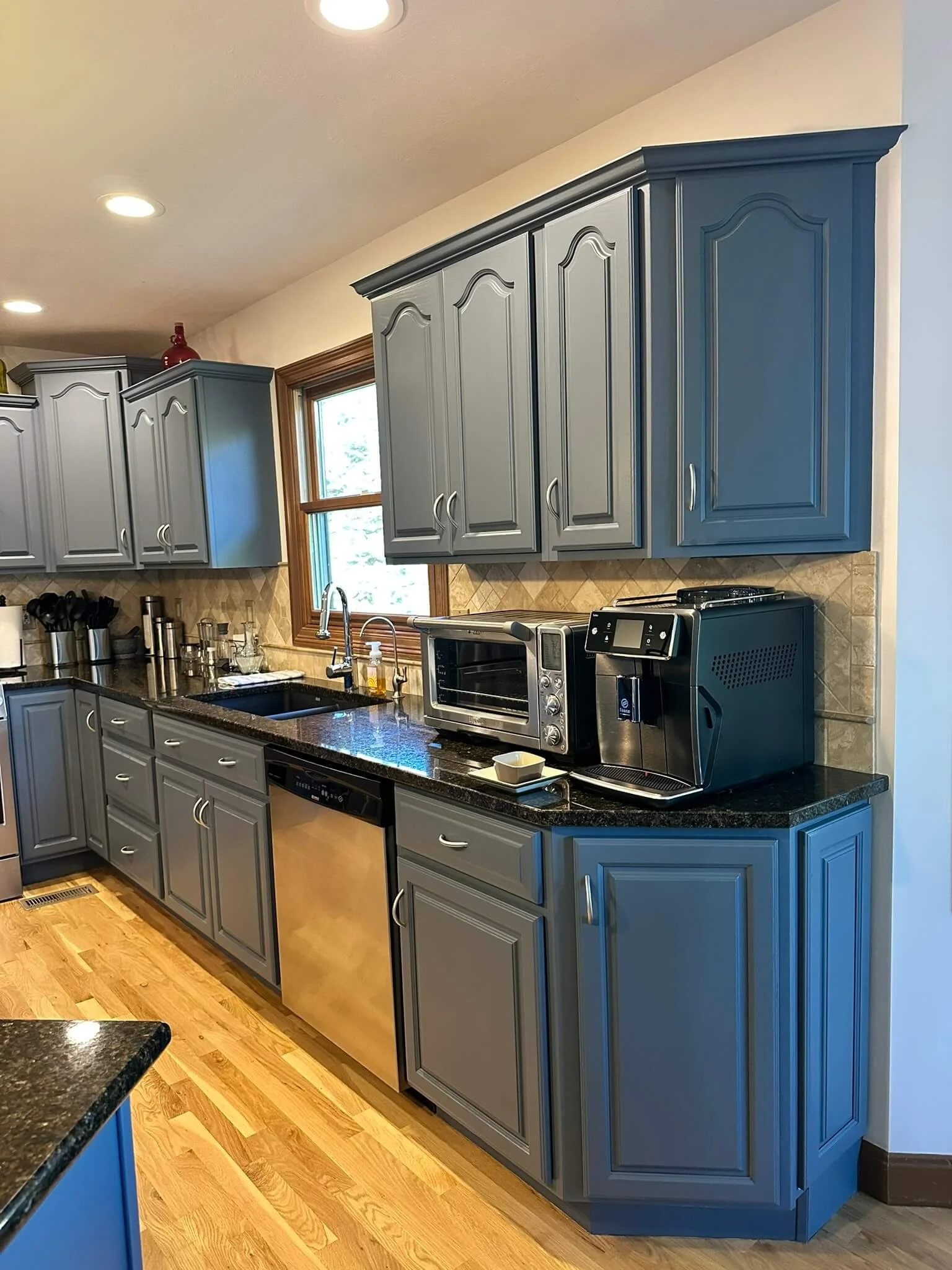
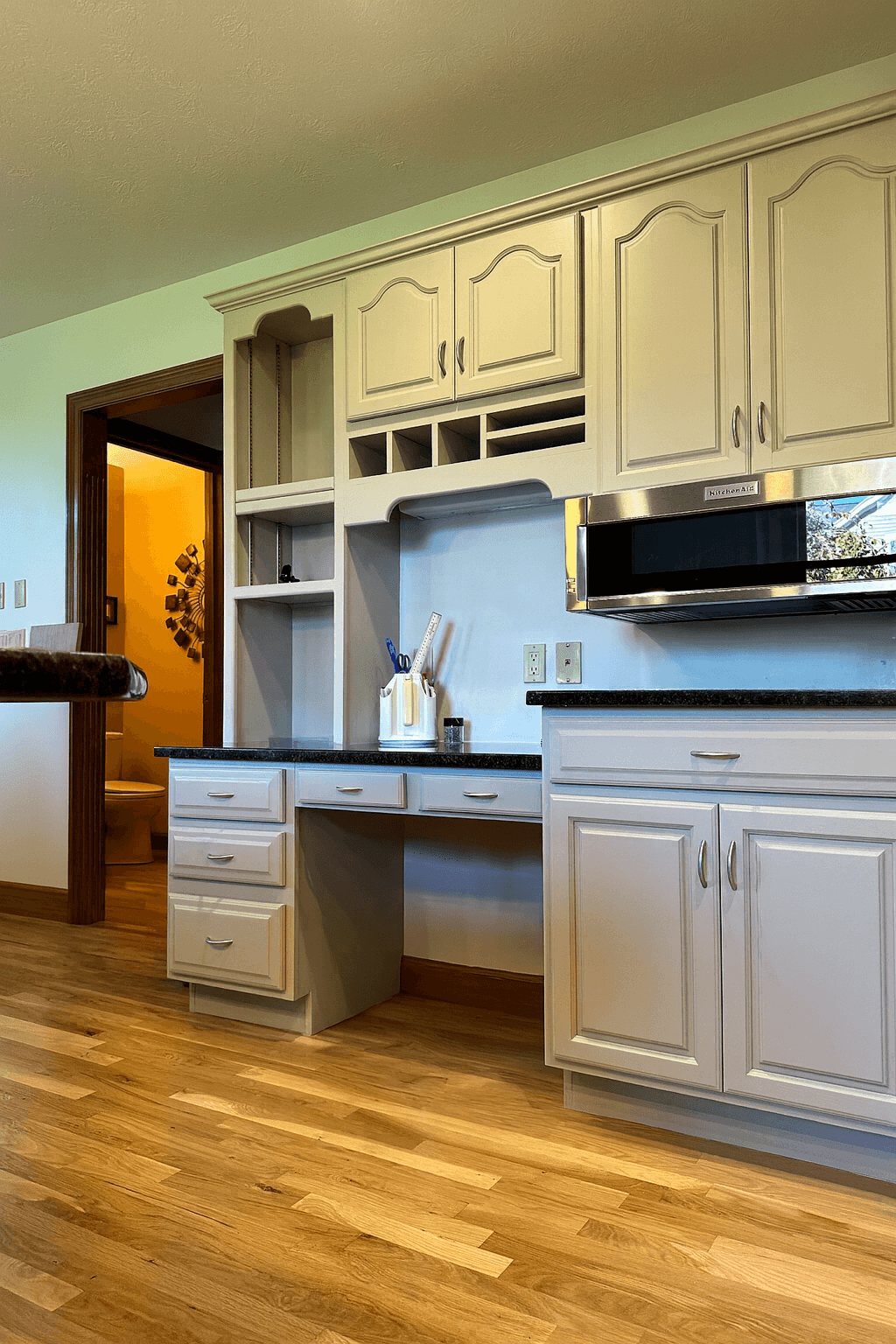
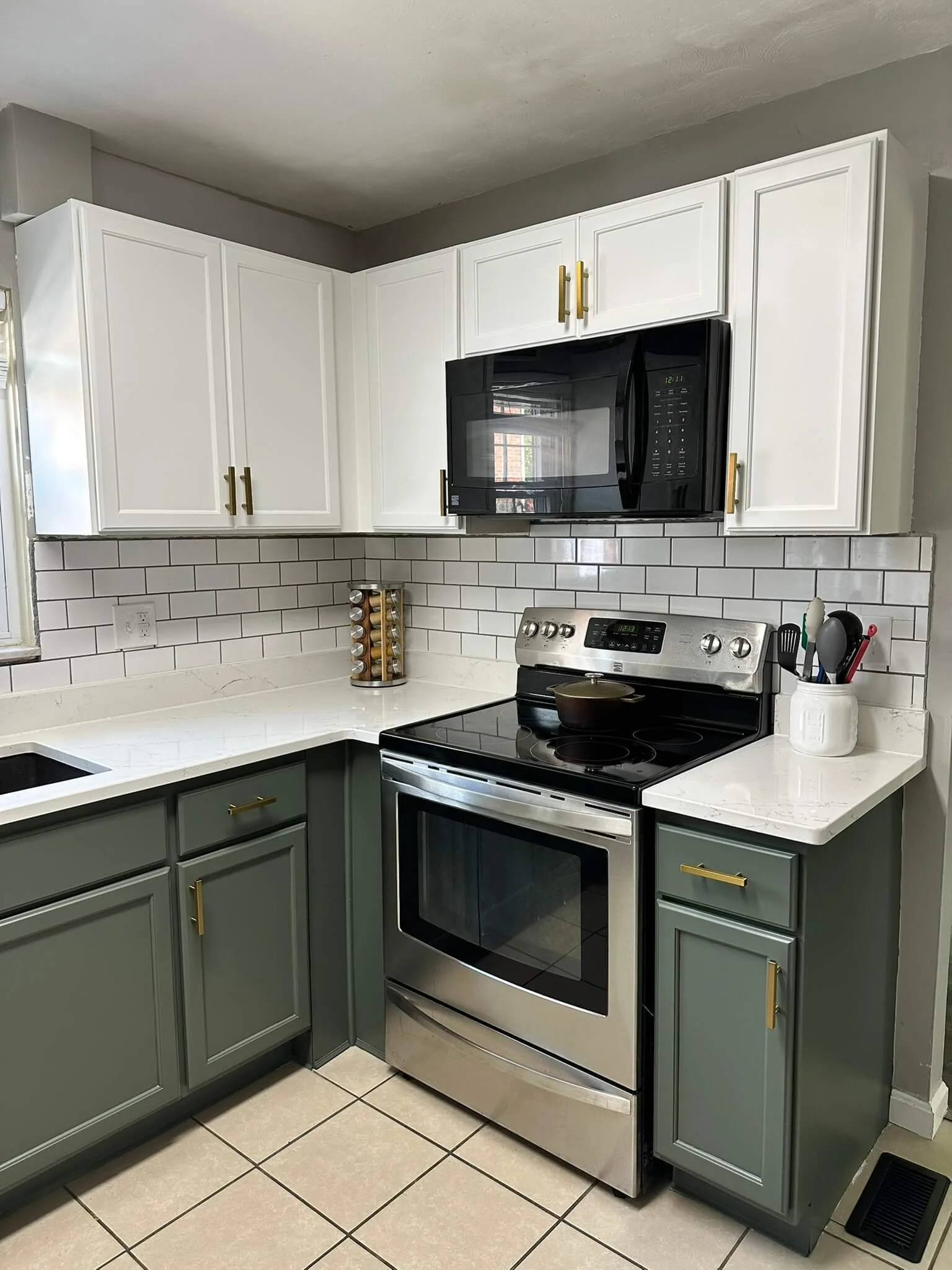
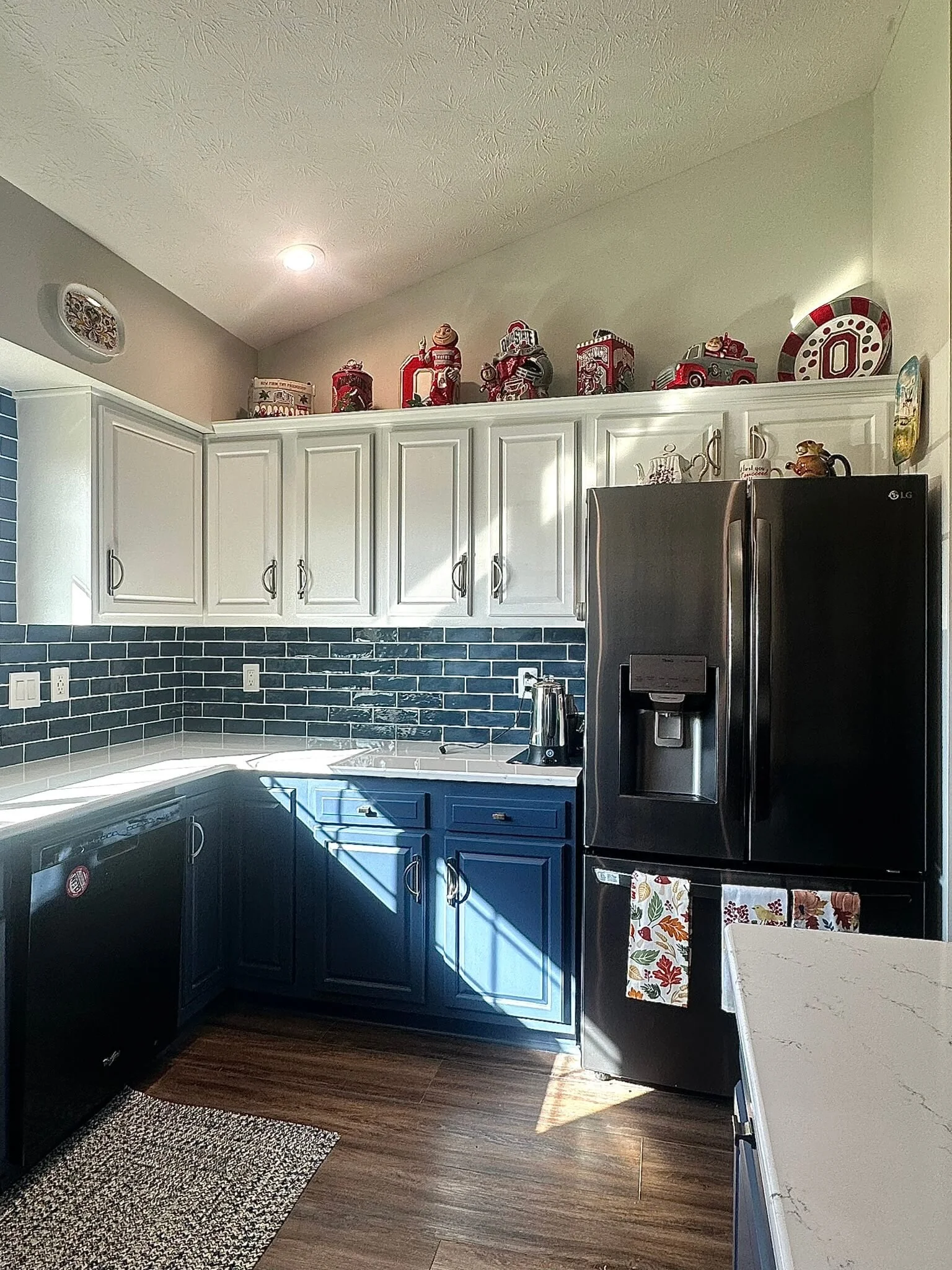
A smoother, more modern look that actually updates your kitchen.
A finish built to last years, not a season or two.
Less stress about chips, peeling, and having to redo the job.
If you’re ready to treat your cabinets like furniture, not drywall, working with a dedicated finisher gives you a result that looks and feels different every time you walk into your kitchen.
If you want, next step I can:
Explore my full start‑to‑finish kitchen cabinet refinishing process.
If you want to see exactly how I fill the grain on oak for a smooth, modern look, take a look here.
You can also browse lots of project photos and Google reviews on my cabinets page.